
Understanding electrical fires: A guide to prevention


It is well known in the insurance industry that electrical fires are frequent and costly. The National Fire Protection Association, or NFPA, reports an estimated average of 31,647 residential fires, and another 7,400 commercial fires annually related to electrical malfunctions. This makes electrical fires one of the top five ignition sources regardless of the occupancy. When you consider the associated dollar losses for 2023 alone, electrical is responsible for over $1.5 billion and $354 million in losses respectively.
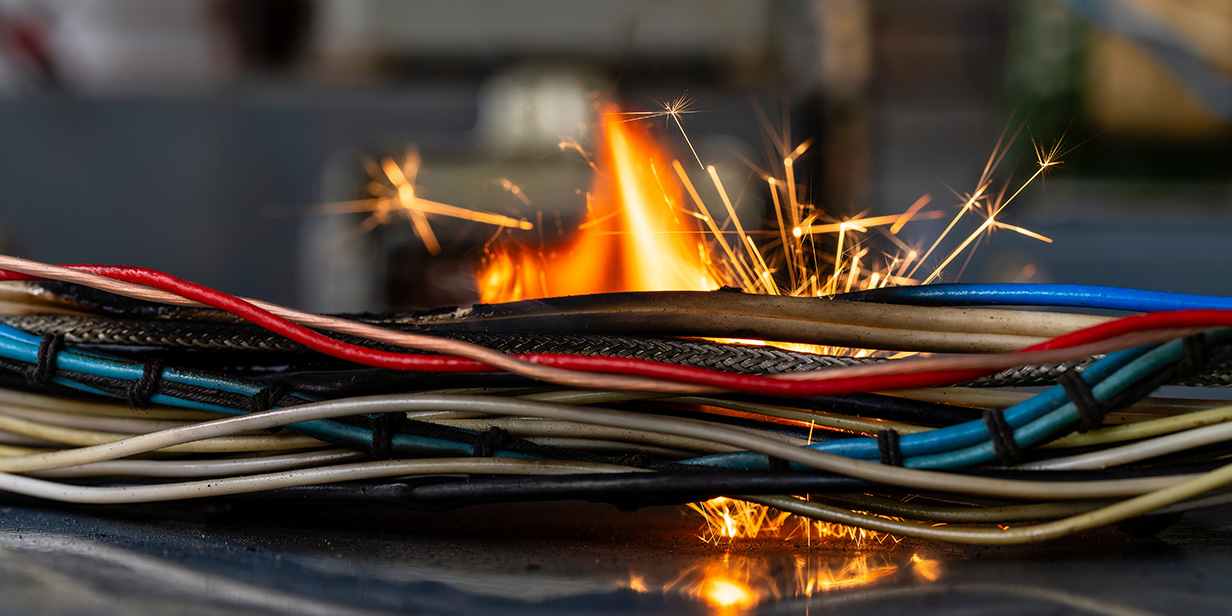
So, what is it about electrical systems that lead to so many fires and so much destruction? What do we need to know about these systems, and what can we do to protect our properties, so they do not fall victim to an electrical fire?
Electrical fire causes and considerations
- Faulty wiring and outdated electrical systems: One of the most common causes of electrical fires is faulty or aging wiring. As buildings age, so do their electrical systems. Wires can become frayed, cracked, or corroded, especially if they were not installed to modern code standards. In older homes, aluminum wiring—once a popular alternative to copper—can pose a significant fire risk due to its tendency to oxidize and loosen at connections.
Loose or damaged wiring can cause arcing, where electricity jumps between gaps in the wiring. This arcing generates intense heat, which can ignite surrounding materials such as insulation or wood framing. Regular inspections by licensed electricians are crucial, especially in homes over 30 years old. - Overloaded circuits and power strips: Overloading electrical circuits is another major contributor to electrical fires. This occurs when too many devices are plugged into a single outlet or circuit, drawing more current than the wiring can safely handle. The excess current causes the wires to overheat, potentially igniting nearby flammable materials.
Power strips and extension cords are often misused in this way. While convenient, they are not designed to handle high-wattage appliances like space heaters, microwaves, or air conditioners. Using multiple power strips in a single outlet—known as “daisy chaining”—further increases the risk of overheating and fire. - Appliance malfunctions and misuse: Household appliances, especially those that generate heat, are frequent culprits in electrical fires. Faulty appliances with damaged cords, broken plugs, or internal wiring issues can spark and ignite fires. Common offenders include toasters, dryers, space heaters, and stoves.
Improper use of appliances also contributes to fire risk. For example, running a dryer with a clogged lint trap or vent can cause the appliance to overheat. Leaving cooking appliances unattended is another common mistake that can quickly escalate into a fire emergency. - Improper use of extension cords: Extension cords are intended for temporary use, but many people use them as permanent solutions for powering devices. This misuse can lead to overheating, especially if the cord is undersized for the electrical load or placed under rugs or furniture, which prevents heat from dissipating.
Additionally, using indoor-rated extension cords outdoors exposes them to moisture and temperature extremes, increasing the likelihood of electrical failure and fire. Always use cords rated for the intended environment and load, and avoid using them as a substitute for proper wiring. - DIY electrical work and code violations: While DIY projects can be rewarding, electrical work should always be left to licensed professionals. Improper installations, such as incorrect wire gauge, lack of grounding, or reversed polarity, can create serious fire hazards. Even seemingly minor mistakes—like using the wrong type of outlet or failing to secure connections properly—can lead to overheating and arcing.
Electrical codes exist to ensure safety, and violations can have deadly consequences. Hiring a qualified electrician ensures that all work complies with local codes and safety standards. - Lighting equipment and fixtures: Light fixtures, lamps, and bulbs can also be sources of electrical fires. Using bulbs with a higher wattage than a fixture is rated for can cause overheating. Placing cloth or paper over lampshades or fixtures can also trap heat and ignite.
Additionally, installing lighting fixtures too close to flammable materials, such as curtains or bedding, increases the risk of fire. Always follow manufacturer guidelines for bulb wattage and fixture placement. - Power surges and lightning strikes: Power surges—sudden increases in voltage—can damage electrical components and start fires. These surges can be caused by lightning strikes, utility grid issues, or the operation of high-power appliances. While rare, lightning strikes can directly ignite fires by overloading electrical systems.
Surge protectors can help mitigate this risk by diverting excess voltage away from sensitive electronics and wiring. Whole-house surge protection systems offer even greater protection and are especially recommended in areas prone to lightning. - Neglected maintenance and inspections: Routine maintenance is essential for preventing electrical fires. Dust and debris can accumulate in outlets, panels, and appliances, creating fire hazards. Regular inspections can identify worn components, loose connections, and other issues before they become dangerous.
Homeowners and facility managers should schedule periodic electrical inspections, especially after renovations, when adding new appliances or if experiencing frequent circuit breaker trips or flickering lights.
While electrical fires are common, they are also highly preventable with proper awareness, maintenance, and adherence to safety standards. By understanding the leading causes—ranging from faulty wiring and overloaded circuits to appliance misuse and DIY errors—individuals and organizations can take proactive steps to reduce risk. Investing in professional inspections, using equipment correctly, and staying informed about electrical safety are key strategies for protecting lives and property.
Additional resources:
- Risky business infographic - electrical fires
- Risky business infographic - electrical preventive maintenance
- Available in FM Boiler Re Online's resource library:
- Hazard guide - Electrical preventive maintenance
- Hazard guide - Fuses vs. circuit breakers
- Infrared testing engineering guide
- Single phasing engineering guide
- Aluminum wiring engineering guide