
Empowering fire protection through education: FM's Client Training Center


When it comes to safeguarding facilities against fire, knowledge is as critical as equipment. Fire protection systems—sprinklers, valves, pumps—are only as effective as the people who inspect, maintain, and operate them. That’s why FM’s Client Training Center (CTC) offers a comprehensive learning track dedicated to fire protection.
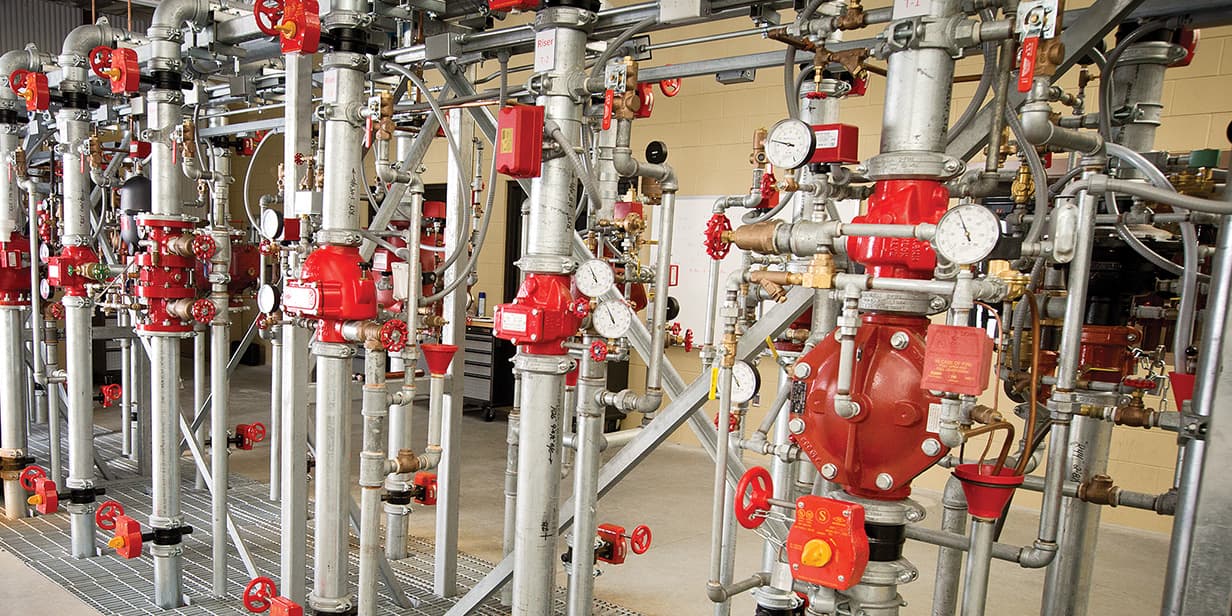
Why fire protection training matters
Fire incidents can escalate quickly, causing catastrophic damage and business interruption. Automatic sprinkler systems and fire pumps are proven defenses, but their reliability depends on proper installation, inspection, and maintenance. Common oversights, such as improperly closed valves or neglected pump maintenance, can render these systems ineffective during an emergency.
By investing in fire protection training, organizations can:
- Understand the science behind fire behavior
- Identify and correct vulnerabilities in automatic sprinkler systems
- Perform critical tests that verify system readiness
- Reduce risk and improve compliance with industry standards
Inside the fire protection learning track
The CTC’s robust fire protection curriculum combines foundational knowledge with practical skills.
1. Sprinkler fundamentals
- Making the Case for Sprinklers (Episodes 1 & 2): Counter common objections to sprinkler investment with compelling evidence
- How a Sprinkler Works: Learn the components, operation, and attributes that differentiate sprinkler types
- Know More Risk: Four Types of Water-Based Sprinkler Systems: Explore wet, dry, deluge, and preaction systems
2. Fire science basics
- Fire Science Basics: Discover how fires start, spread, and can be extinguished
3. Valve inspection and maintenance
- The Hazard of Improperly Closed Valves (ICVs): Explore the dangers posed by improperly closed fire protection valves, along with practical solutions for prevention
- Building a Valve Inspection Program: Learn key components of an effective valve inspection program
- Modules on specific valve types to better understand inspection, maintenance, and troubleshooting:
- Indicating butterfly
- Non-indicating
- Outside screw and yoke valves
- Post indicator
- Inspecting Fire Protection Valves (2025 Webinar): Stay current with best practices for control valves
4. Fire pump testing
- Churn tests (diesel & electric): Learn how to conduct a churn test and perform other routine inspection and testing
- Full-flow fire pump test: Verify water supply adequacy for automatic sprinkler systems
- Know more risk: Diesel fire pump inspection and manual starting: Prepare for manual intervention during emergencies
- Inspecting and testing fire pumps (2023 webinar): Gain insights into inspection and testing practices
5. System performance verification
- Main drain test: Confirm unobstructed water flow
- Trip tests for dry-pipe systems: Learn partial-flow and full-flow trip tests
- Water flow alarm tests: Learn how to conduct a water flow alarm test on wet and dry systems
- Know more risk: Wet system alarm check valve & riser check valve: Understand operation and alarm testing for wet systems
Learning that fits your schedule
The fire protection track offers a mix of short modules, in-depth videos, and recorded webinars—ideal for busy professionals. Whether you need a quick refresher or a deep dive into system mechanics, the CTC makes it easy to learn at your own pace.
Loss prevention is critical for resilience
Fire protection isn’t just about compliance—it’s about resilience. Training through the FM Client Training Center can help organizations reduce risk, protect assets, and strengthen business continuity. Explore the full range of topics available or contact your reinsurance territory manager to get started.
Additional resources:
- FM Client Training Center – Access online training courses designed for varying skill levels and target audiences.
- Empowering boiler safety through education: FM’s Client Training Center – Discover the FM Client Training Center’s robust suite of online learning modules designed to promote boiler safety, loss prevention, and operational excellence.
- FM Resources – Explore our extensive resource offerings through FM, including data sheets, the NatHaz toolkit, and webinars.