
Five hidden fire risks in habitational buildings


Habitational occupancies are a staple of many insurers’ books of business and are often viewed as “light-hazard” locations that pose less risk. Although these buildings may not present the same apparent risks as manufacturing or warehousing, they can pose hazards that are not always readily recognized. If not carefully managed, these hazards can lead to increased exposure and adverse consequences. These include construction features, habitational-specific protection features, and other exposures common to this type of property.
Five of the most commonly overlooked fire-related challenges:
1. The incorporation and evolution of lightweight construction materials and methods has significantly changed habitational risk.
Traditional home construction relied on raw lumber that was cut and assembled on-site to frame the structure. This approach resulted in more material waste, required greater labor to craft the frame and ultimately led to higher costs of construction.
To increase efficiency, engineers began using smaller pieces of wood, wood by-products, and various glues and polymers to design and construct structural members in factories. These members are then assembled at the jobsite and include lightweight trusses, engineered wooden I-beams, and various other lighter alternatives.
The composition and arrangement of these lighter weight options both contribute to the available fire load and allow fires to grow more rapidly. In the past, structural collapse in a residential fire often took 20 minutes or more. Today, failure can now occur in as little as five to six minutes.
As a result, it is critical to determine if a wood-frame building incorporates these lightweight options. While this may be challenging in finished buildings, it may be possible to confirm their presence by reviewing construction drawings, inspecting unfinished spaces such as basements or attics, or other identifying markers often required by local codes.
2. The introduction of podium construction presents another frequently overlooked challenge in many habitational structures.
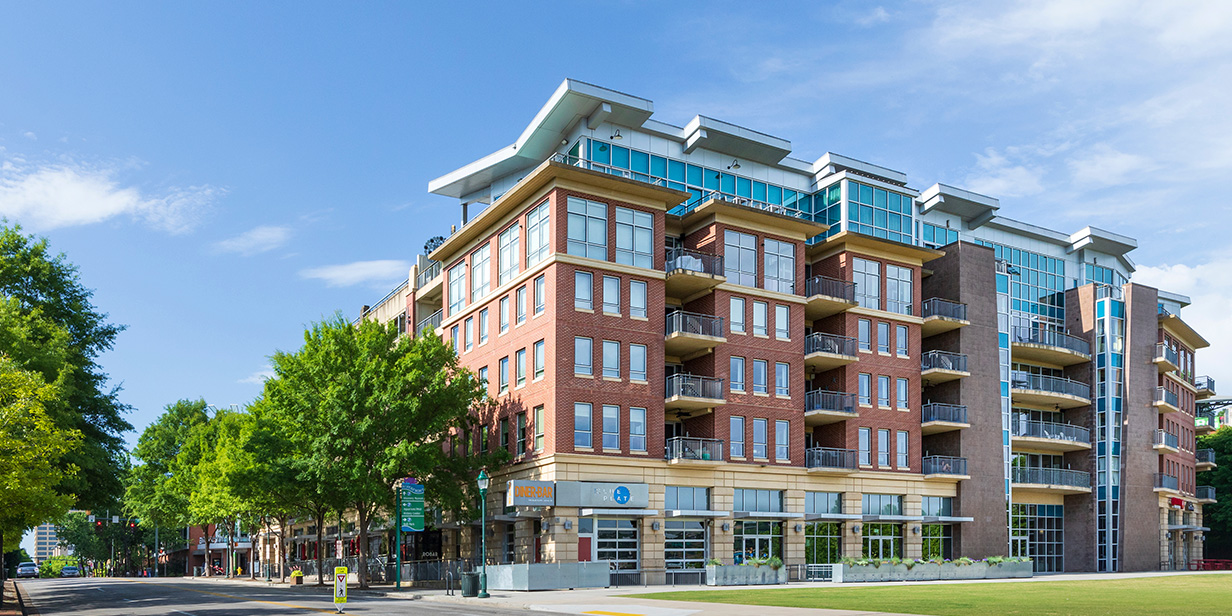
Traditional lightweight construction is typically limited to only a few stories in height. Podium construction overcomes this limitation by constructing up to a two-story reinforced concrete “podium” topped with a lightweight frame of up to five additional floors, allowing structures to reach seven stories.
The concrete levels are usually occupied by restaurants, shops, or other businesses that are often considered a higher hazard than the residential floors above. The residential and commercial sections are separated by a three-hour fire rated floor; however, there are often no protections to prevent fire spread along the building’s exterior. Additionally, any unprotected penetrations through the fire floor can allow fire to spread vertically.
Further complicating matters, the residential section may utilize a life-safety only rated fire sprinkler design, which is primarily intended to support occupant evacuation and may not be designed to limit fire spread.
3. Habitational occupancies may be protected by a fire sprinkler system designed only for life-safety.
These systems are intended to solely slow fire growth long enough to provide occupants with additional time to escape, rather than to fully control or suppress a fire. This type of system is outlined in The National Fire Protection Association’s 13 R, The Standard for the Installation of Sprinkler Systems in Low-Rise Residential Occupancies.
NFPA 13R permits sprinklers to be omitted from certain areas, such as attics, garages, and balconies, and allows lower water supply requirements. As a result, some areas of the building may remain unsprinklered, which can increase the potential for fire spread beyond the area of origin.
Life-safety only sprinkler systems are commonly misinterpreted as property protection designed sprinkler systems. As a result, sprinklers observed in living spaces are often assumed to be installed throughout the entirety of the building.
4. Exterior finishes used on habitational buildings introduce additional fire challenges.
Several cladding options that are used to improve a building’s appearance are made with combustible plastics. These include Exterior Insulation and Finishing Systems (EIFS), Metal/Aluminum Composite Materials (MCM/ACM), and plastic composite siding. Each of these options relies on plastic-based insulation and panels.
When burning, plastic materials can release two to three times more heat than wood products. As a result, these exterior finishes can lead to a quick spreading fire that may extend across the entirety of the building’s exterior.
5. Exposures related to lithium-ion batteries are often overlooked in habitational occupancies.
Electric vehicles and charging stations are commonly identified as lithium-ion battery exposures; however, smaller devices such as e-bikes, scooters, cell phones, personal devices and tools are frequently overlooked. Insurers, property owners and property managers should maintain ongoing communication with residents to raise awareness of the risks and challenges associated with these devices.
Proper policies and procedures should be implemented at every habitational location, including:
- Staff and resident training
- Guidance for storage, charging and disposal
- Regular self-inspections to ensure bikes, scooters, or other lithium-ion powered devices are not stored in the path of egress and that other policy requirements are being followed
These exposures reveal modern habitational risks. Buildings that appear familiar and are often classified as “low hazard” may conceal conditions that allow fires to grow faster, spread farther, and produce more severe losses than expected. Changes in construction methods, materials and building design have fundamentally altered the risk profile of many habitational occupancies.
Lightweight construction, podium designs, life-safety-only sprinkler systems, combustible exterior finishes, and the growing presence of lithium-ion battery exposures each introduce vulnerabilities. When these features are overlooked or improperly evaluated, the true exposure can be significantly underestimated.
For insurers, property owners, and managers, this shift demands a more deliberate approach. Moving beyond surface-level classifications toward deeper evaluation, clearer communication, and proactive risk controls is essential to helping protect occupants and helping preserve portfolio performance.
Additional resources:
- Habitational hazard guide – Contact us or login to FM Boiler Re Online for a copy.
- Webinars – Join expert-led sessions from FM that help strengthen property loss prevention and equipment risk awareness.
- FM Data Sheets – Explore proven engineering guidelines to reduce risk at your facilities.
- FM Client Training Center – Access online training courses designed for varying skill levels and target audiences.