
Schutz von Gewerbe- und Industrieanlagen in Zeiten von Extremwetterereignissen


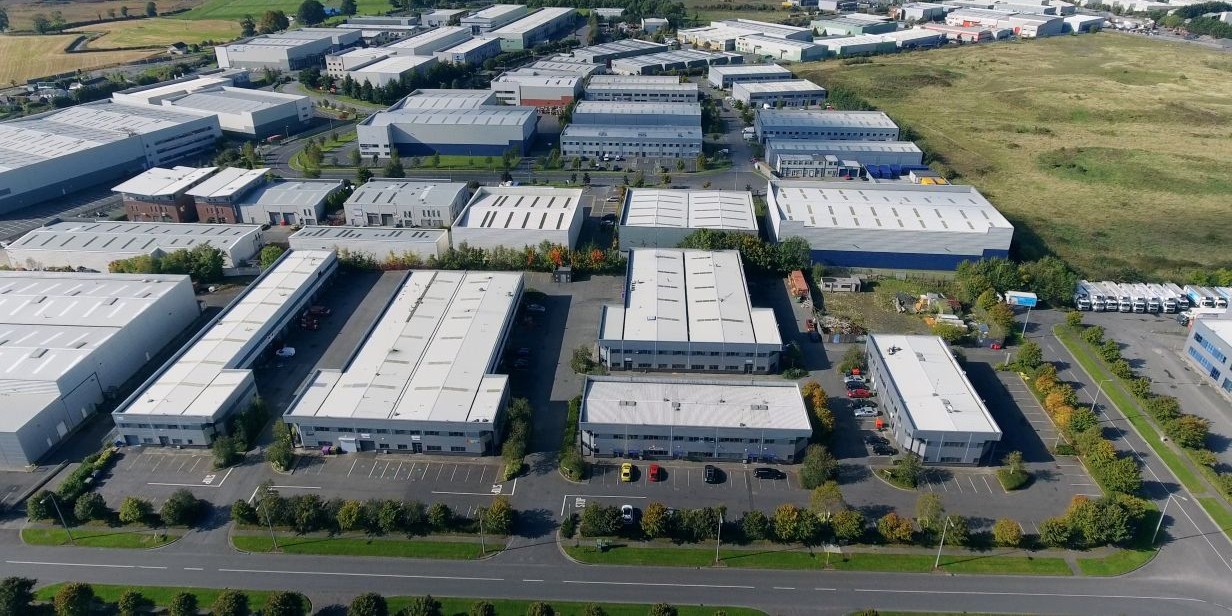
Eine Version dieses Artikels erschien ursprünglich als von FM gesponserter Partnerinhalt in der Financial Times.
Ob Waldbrände, Hitzewellen, Stürme, Tornados oder Sturzfluten: Weltweit nehmen Extremwetterereignisse zu, und die damit verbundenen Kosten steigen stark an. In Europa wurde bei Überschwemmungen im Jahr 2024 ein Elfjahreshoch verzeichnet. Laut dem European State of the Climate Report der Weltorganisation für Meteorologie beliefen sich die Schäden durch Stürme und Überschwemmungen in Europa im selben Jahr auf mindestens 18 Mrd. EUR.
Für Unternehmen können solche Ereignisse gravierende Folgen haben: kostspielige Instandsetzungen, Produktionsausfälle, der Verlust von Kunden und in manchen Fällen sogar die vollständige Abschreibung von Anlagen. Eine 2024 von der Internationalen Handelskammer (ICC) in Auftrag gegebene Studie beziffert die Kosten wetterbedingter Klimaschäden für die Weltwirtschaft im vergangenen Jahrzehnt auf mehr als 2 Bio. USD. Die Versicherungsbranche spielt eine zentrale Rolle bei der Bewältigung dieser Herausforderungen.
„Es ist offensichtlich, dass einige der prognostizierten Auswirkungen des Klimawandels inzwischen unvermeidbar sind“, sagt Charlie Jacques, Head of Sustainability and Impact Investment, Real Estate bei Schroders Capital. „Umso wichtiger ist es, vorausschauend und abgestimmt zu handeln, um die Folgen des Klimawandels angemessen bewerten und die Wirtschaft darauf ausrichten zu können.“ Sie betont, dass Eigentümer von Anlagen genau verstehen müssen, in welchem Maß ihre Vermögenswerte Klimarisiken und deren potenziellen Auswirkungen ausgesetzt sind. „Investoren sollten sowohl physische als auch Transitionsrisiken berücksichtigen, um den Übergang zu klimaresilienten Netto-Null-Assets zu unterstützen und ihre Portfolios langfristig abzusichern“, so Jacques.
Resilienz als gemeinsames Ziel
Versicherungen können Eigentümern von Gewerbe- und Industrieanlagen helfen, entstandene Schäden auszugleichen. Vorausschauende Versicherer gehen jedoch über den reinen Versicherungsschutz hinaus und verstehen sich als Partner der Unternehmen, insbesondere im Kontext des Klimawandels. Gemeinsam mit ihren Kunden können sie Risiken reduzieren und besser einschätzen, wo und wann Schäden auftreten könnten. In diesem Sinne agieren Versicherer zunehmend proaktiv: Sie nutzen umfangreiche Datenbestände und Erkenntnisse aus jahrzehntelanger wissenschaftlicher Forschung, um ihre Kunden gezielt bei der Schadenverhütung zu unterstützen. Parallel dazu werden KI-gestützte Modelle immer präziser. Mithilfe dieser Instrumente können einige Versicherer den Schutz von Gewerbe- und Industrieanlagen gezielter gestalten, indem sie nicht die Branche insgesamt, sondern die individuellen Gegebenheiten eines Standorts betrachten.
„Unser Ansatz ist einzigartig“, sagt Dr. Angelika Werner, Research Area Director for Natural Hazards and Climate beim globalen Industriesachversicherer FM. „Wir arbeiten eng mit unseren Kunden zusammen und führen detaillierte Bewertungen auf Grundlage unserer eigenen Gefahrenmodelle durch. Dadurch können wir unsere Modelle mit den tatsächlichen Gegebenheiten vor Ort abgleichen und die Risikoexponierung präzise bewerten.“
Kunden profitieren vom umfassenden ingenieurtechnischen Know-how, der langjährigen Forschungsarbeit und den umfangreichen Datenbeständen ihres Versicherers. So können Risiken besser quantifiziert und strategische Entscheidungen zu Bauweise, zusätzlichem Schutz oder sogar zur Standortwahl getroffen werden. Mit dem FM Science and Technology Centre Europe entsteht in Luxemburg ein hochmodernes Forschungszentrum, das voraussichtlich ab 2027 die Untersuchung von Extremwetterereignissen und die Entwicklung geeigneter technologischer Lösungen vorantreiben wird.
Der Standort in Europa erleichtert die Zusammenarbeit mit europäischen akademischen Einrichtungen und öffentlichen Stellen. Gleichzeitig schaffen Schulungsangebote und praxisnahe Lernlabore ein ideales Umfeld für Kunden, Interessenten, Partner und Mitarbeitende. Das neue Zentrum ergänzt die bestehenden Forschungseinrichtungen in den USA und Singapur, die über eine gemeinsame digitale Forschungsplattform miteinander vernetzt sind.
FM stellt seinen Kunden zudem eine Reihe von Instrumenten zur Verfügung, die dabei helfen, Risiken und mögliche Folgen frühzeitig einzuschätzen. Der Climate Resilience Tracker von FM ist ein interaktives Dashboard, das Kunden einen umfassenden Überblick über die aktuelle und zukünftige Gefährdung ihrer Standorte durch extreme Niederschläge, Wind, Temperaturen, Dürre und den Anstieg des Meeresspiegels bietet. Der Tracker nutzt künstliche Intelligenz zur Risikobewertung und liefert umsetzbare Erkenntnisse zu aktuellen und zukünftigen Risiken, damit Kunden fundierte strategische Planungsentscheidungen treffen können. So lassen sich potenzielle Schäden mindern und der Aufbau langfristiger Resilienz stärken. „Wir arbeiten mit Unternehmen zusammen, die unsere Überzeugung teilen: Risiken sollten von Anfang an gemindert und erwartbare Schäden vermieden werden“, betont Werner.
Das Dach reparieren, solange die Sonne scheint
Vorausschauende Schutzmaßnahmen an gefährdeten Standorten zeigen nachweislich Wirkung. Die Schadenstatistik von FM belegt, dass Unternehmen mit einem ausgereiften Hochwassernotfallplan rund 70 Prozent weniger Schäden erleiden als Unternehmen ohne ein solches Konzept. „Sobald klar ist, dass man sich in einem Hochwassergebiet befindet, sollte man genau berechnen, wie schnell es zu einer Überschwemmung kommen kann, wie hoch das Wasser steigen könnte, und auf dieser Grundlage geeignete Schutzmaßnahmen planen“, sagt Dr. Bill Bradshaw, FM Operations Manager in London.
Für kritische Technikräume mit Transformatoren oder Schaltanlagen sei es laut Bradshaw entscheidend, geprüfte und zertifizierte Schutzlösungen zeitnah einsetzen zu können, um das Eindringen von Wasser zu verhindern. „Wenn ein Standort von besonderer strategischer Bedeutung ist und durchgängig einem erhöhten Hochwasserrisiko ausgesetzt ist, kann auch der Bau einer Hochwasserschutzmauer in Betracht gezogen werden“, so Bradshaw. „Die möglichen Schäden sind oft so gravierend, dass sie sich unmittelbar auf das Ergebnis und die langfristige Ausrichtung eines Unternehmens auswirken – Untätigkeit ist daher keine Option.“
FM ermöglicht es anspruchsberechtigten Versicherten, ihre Exponierung gegenüber Klimarisiken zu bewerten und gezielt in Schutzmaßnahmen zu investieren. Seit dem Jahr 2022 hat das Unternehmen drei Resilienzgutschriften vergeben. Im Rahmen der ersten beiden – mit der Versicherungsprämie verrechneten – Gutschriften verstärkten Kunden ihre Investitionen in empfohlene Maßnahmen zum Schutz vor Stürmen, Überschwemmungen und Waldbränden. So konnte der potenzielle wirtschaftliche Schaden um mehr als 50 Mrd. USD reduziert werden. „FM ist mit seinen Resilienzgutschriften in der Branche einzigartig“, betont Bradshaw. „Im Grunde sind all unsere Instrumente darauf ausgerichtet, Kunden dabei zu helfen, Risiken gezielt anzugehen. Schließlich möchte kein Unternehmen aufgrund eines vermeidbaren Schadens negativ auffallen.“