
Battery energy storage systems (BESS): Key risks and reliability considerations for solar PV


Are these systems introducing reliability risks in solar PV installations?
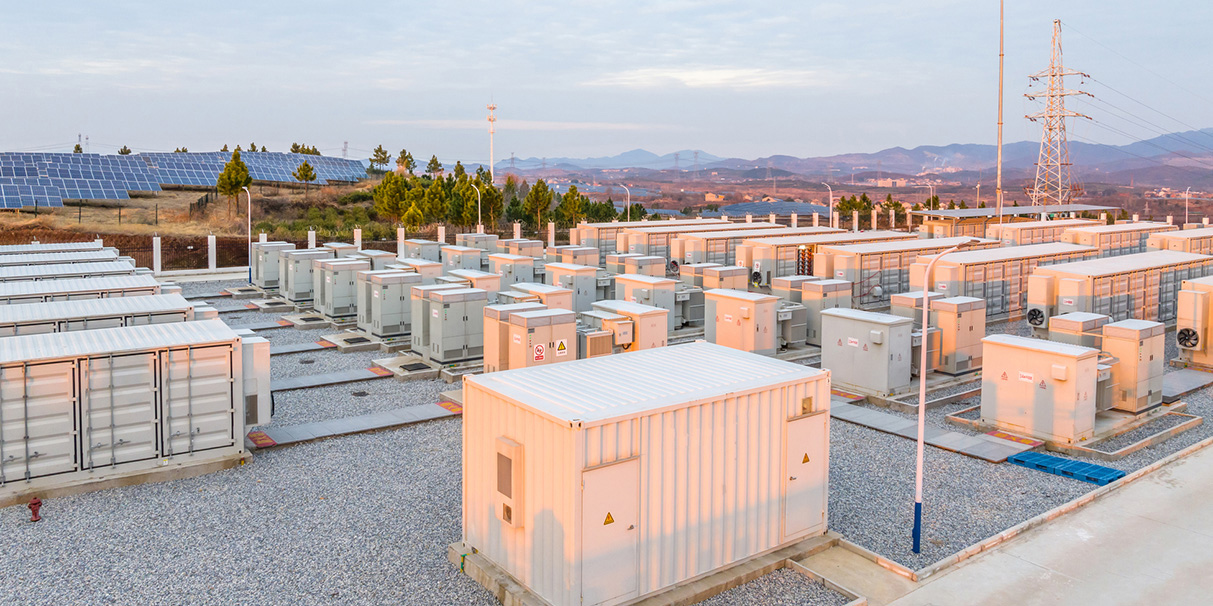
A battery energy storage system (BESS) acts as a local reservoir for electricity made by a solar photovoltaic (PV) system. It captures surplus electricity generated during the day and makes it available when sunlight is unavailable or when the local utility grid goes down.
When integrated, a BESS transforms a solar PV system from a daytime-only electricity producer into a more reliable, flexible electrical power generation asset.
Reliability issues
Battery cells are often assumed to be the primary failure point; however, most BESS issues original elsewhere. Based on summarized industry data, battery management systems (BMS) are identified as a leading source of BESS reliability issues (46%), followed by inverters (43%) and battery cells or modules (11%).1 BMS-related issues often stem from inaccuracies in state-of-charge estimation or cell imbalances, while inverter issues can arise from sensitivity to harmonics and power disturbances. Although less common, failures within battery cells can lead to thermal runaway events.
Operational & environmental stresses
How a BESS is operated and maintained directly impacts its long-term reliability.
- Battery thermal management: Excessive heat accelerates degradation. Batteries kept in poorly ventilated areas or exposed to direct sunlight face shortened lifespans and increased fire hazard.
- Battery discharge: Consistently draining batteries beyond recommended limits (typically 80-95% for lithium) weakens cells and can cause permanent damage.
- Incompatible batteries: Using incorrect charge profiles, such as lead-acid batteries instead of recommended lithium batteries, can lead to overcharging, gassing, and swelling.
- Water ingress: Leaks in auxiliary systems such as HVAC or fire-protection, along with poor enclosure sealing, can lead to electrical isolation loss and secondary thermal events.
- Ventilation: Ensure at least 3 feet of clearance around BESS enclosures for unobstructed airflow and prevent internal heat build-up.
Remote monitoring
Remote monitoring enables early detection of voltage spikes, over-temperature conditions, and battery self-discharge events before they escalate into larger system-wide reliability issues. Manufacturers also use software updates to improve charging algorithms, patch security vulnerabilities, refine how the batteries interact with the solar inverter, and monitor the overall health of the BESS.
In addition, there are some other BESS parameters that are remotely monitored to keep an eye on the health of the BESS.
- Battery capacity: Periodic checks compare the battery’s current storage capacity against its original factory rating to track degradation over time.
- Cell balancing: The battery management system (BMS) automatically balances the voltage across individual battery cells. Maintenance involves reviewing BMS logs to ensure no specific cell is drifting or underperforming.
- Calibration: Occasionally, the BESS may need a full discharge/charge cycle to recalibrate the software so the BESS doesn't shut down unexpectedly.
Loss prevention/maintenance tips
- Cleaning: Remove dust, leaves, and grass clippings from inverter vents and battery enclosure air intakes, ensuring internal fans and heat sinks keep the inverter cool to prevent it from overheating.
- Infrared inspection: Use infrared thermal imaging cameras to identify hot spots at electrical connections such as terminal lugs. Loose or corroded connections are a leading hazard in a BESS.
- Enclosure seals: Inspect door gaskets and cable entry points on the BESS unit to prevent moisture, dust, and insects from entering and causing corrosion and short circuits.
- Fire suppression: Inspect sensors and suppression canisters to ensure they are pressurized and active.
- Emergency disconnects: Test manual "e-stops" and rapid-shutdown triggers to ensure the system can be de-energized instantly during an emergency.
Maintaining BESS reliability requires a disciplined design, environmental controls, and proactive maintenance. Key standards for a BESS include NFPA 855 (fire safety) and UL 9540 (system safety), along with IEC 62619 (lithium batteries) and IEEE 1547 (grid interconnection) where applicable.
1Adapted from Encyclopedia.pub, “Reliability Issues in Battery Energy Storage Systems,” based on findings from the Electric Power Research Institute (EPRI) BESS Failure Incident Database analysis (EPRI, PNNL, TWAICE).
Additional resources:
- Evolving risks: lithium-ion battery training – Highlights FM Boiler Re’s customized training capabilities to support partner companies in addressing emerging lithium-ion battery hazards, including battery energy storage systems (BESS).
- FM Property Loss Prevention Data Sheet 5-33: lithium-ion battery energy storage systems – Outlines key risks, design considerations, and loss prevention strategies for battery energy storage systems, helping organizations manage system reliability and fire exposure.
- Risky business infographic for battery energy storage systems (BESS) – Learn how battery energy storage systems are being used, key hazards such as thermal runaway, and practical loss prevention measures to help reduce the potential for property damage and downtime.