
2026 Atlantic hurricane season forecast: Below normal, not below notice


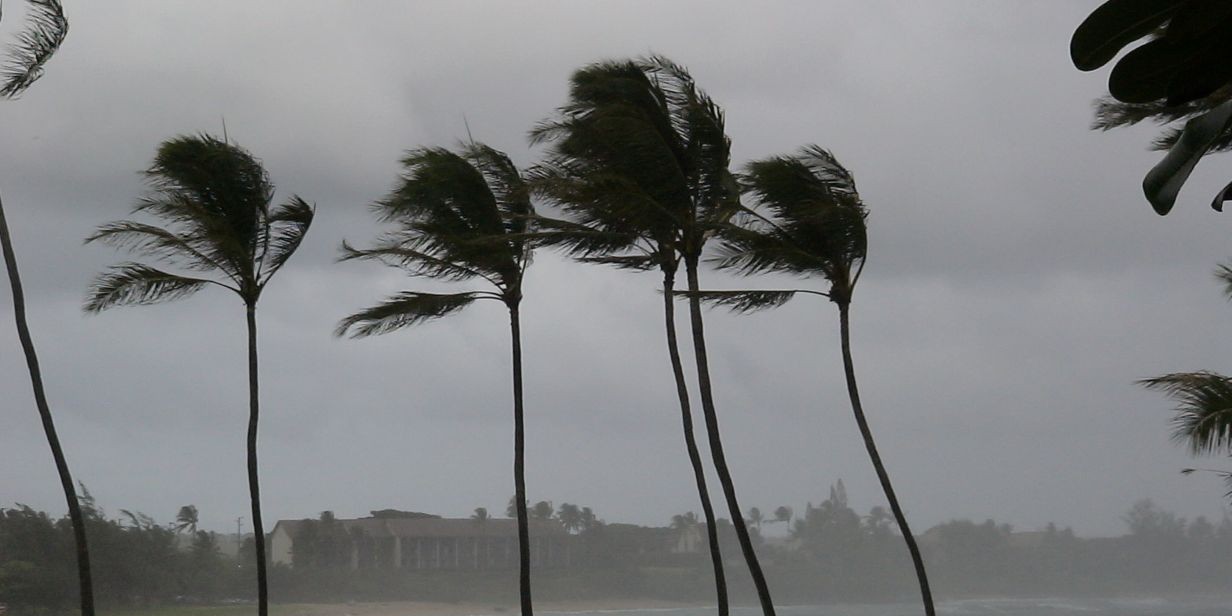
The 2026 Atlantic hurricane season began on June 1, and the National Oceanic and Atmospheric Administration (NOAA) is forecasting a below-normal year. The outlook calls for 8 to 14 named storms, 3 to 6 hurricanes and 1 to 3 major hurricanes, against a 30-year average of 14 named storms, 7 hurricanes and 3 major hurricanes.
A below-normal forecast is certainly good news. But from a risk standpoint, a low seasonal total isn’t an occasion for complacency, because hurricane losses depend not just on how many storms form but on whether one of them reaches a populated or industrial area.
"From an insurance perspective, all you need is one hurricane hitting a highly exposed area," says Jeff McCollum, a research group manager and scientist at FM.
McCollum manages FM’s Norwood-based team within Natural Hazards and Climate Research, supporting research on hurricane, flood and other geohazard risks across multiple regions. His read on 2026 starts with a word of caution about the headline number. Below normal does not mean inactive, and the forecast by nature holds more uncertainty than its range suggests.
El Niño taps the brakes. Warm water adds fuel.
Two forces are behind the 2026 outlook, and they work against each other. The first is El Niño, the Pacific climate pattern expected to develop through the season. El Niño increases wind shear over the Atlantic and disrupts storm formation, which is the main reason forecasters expect a quieter year.
The second factor is ocean temperature. Sea surface temperatures across the Atlantic remain above average, although the warmth is not uniform across the basin. Warm water gives storms more energy, and it has pulled the forecast range back up toward average.
"If it were only El Niño, without the added warmth in the Atlantic, I think we'd have more confidence in a quieter season," McCollum says.
A strong El Niño alongside warm water has happened four times this century, and three of those four seasons came in below average. The exception was 2023, when the Atlantic produced 20 named storms despite a strong El Niño, likely because unusually warm Atlantic waters offset part of the suppressing effect.
"People might be hearing El Niño is going to be strong, so we don't need to worry," McCollum says. "But in recent years, sea surface temperatures have often been above normal, fueling storms once they have developed."
It only takes one
Unlike some other insured-loss trends—for example, severe convective storms—hurricane losses are less steady from year to year. One storm can dominate the total and shape how the whole season is remembered.
“A single tropical cyclone can reshape the loss picture,” McCollum says. “In 2022, for example, Ian made it one of the costliest hurricane loss years on record almost by itself.”
"A below-average forecast for Atlantic hurricanes doesn't say anything about landfall, which is what we care about in risk terms," McCollum adds.
In 2025, the Atlantic produced several very intense hurricanes—including three Category 5 storms—even though no hurricane made landfall on the U.S. mainland.
Water creeping inland
When a storm comes ashore, its reach now often runs farther inland than many businesses plan for.
"We have the potential for hurricanes going so far inland that they get to places like Tennessee and cause major rainfall and flooding," McCollum says. "The worst hurricane impacts are often coastal, but major flooding losses can extend much farther inland than many people expect."
In 2024, Hurricane Helene tracked well inland, bringing catastrophic flooding across western North Carolina and into the Tennessee Valley. Later that season, Hurricane Milton crossed Florida, producing torrential rainfall and flooding far from the coast.
A warmer atmosphere holds more moisture, which can make tropical cyclones capable of producing heavier rainfall—even well inland in some storms. The inland reach also opens a gap in measuring exposure. Coastal storm surge and wind have decades of mapping and engineering guidance behind them. Inland rainfall flooding from hurricanes is less mature as a hazard framework, and standard FEMA flood maps are not designed to capture every hurricane-rainfall scenario in detail. Hurricane losses can happen in places recent history never flagged as high-risk.
"What keeps me up at night is the flooding from excessive rainfall," McCollum says, noting a long-term FM research effort focused on the issue. “We’re working to better understand inland hurricane rainfall flooding to give clients a clearer view of their exposure.”
Maybe not more storms, but possibly stronger ones
The link between climate change and hurricane development is nuanced. The number of Atlantic hurricanes has not shown a measurable trend, and the record is too short to claim one. Severity is the more active question.
Warmer oceans give storms more fuel, and the recent seasons reflect that. The 2000s still hold the record for the most Atlantic Category 5 hurricanes in a decade, with eight, but the 2020s are already at seven through 2025, including three in 2025 alone—the second-most in a single Atlantic season, behind only the four in 2005. Hurricane Melissa, which came ashore in Jamaica in 2025, ranked among the most intense landfalls on record by wind speed and central pressure.
Warm water also speeds rapid intensification—which underscores the need for preparation and quick action.
"A hurricane might approach as a category one or two, and then all of a sudden it goes up to a four or five within 24 hours, and people aren't as prepared," McCollum says.
Stronger storms can raise the destruction potential, but rising loss totals also reflect how much more value now sits in harm’s way. Hurricane Andrew in 1992 can seem modest in today’s loss comparisons, but South Florida was far less exposed then than it is now. A repeat would likely again rank among the costliest hurricane loss events.
Preparation remains pivotal
The steps that lower hurricane loss hold no matter what the season brings. McCollum points to the familiar ones:
- Review your business continuity plans.
- Confirm emergency communications.
- Validate backup power and IT recovery.
- Check both flood and wind vulnerability.
- Understand exposure beyond coastal areas.
FM helps organizations build resilience through research and engineering. Our team produces flood, storm surge and wind maps at 100-year and 500-year levels, and our engineers use them to evaluate what a given property would face. FM Approved flood products, including doors, gates, walls and barriers, help keep water out. A Flood Emergency Response Plan gives your sites a tested sequence to follow when a storm approaches.
Regardless of how the 2026 Atlantic hurricane season unfolds, preparation is the one factor you control. Explore our NatHaz Toolkit.