
5 things to know about renewable energy


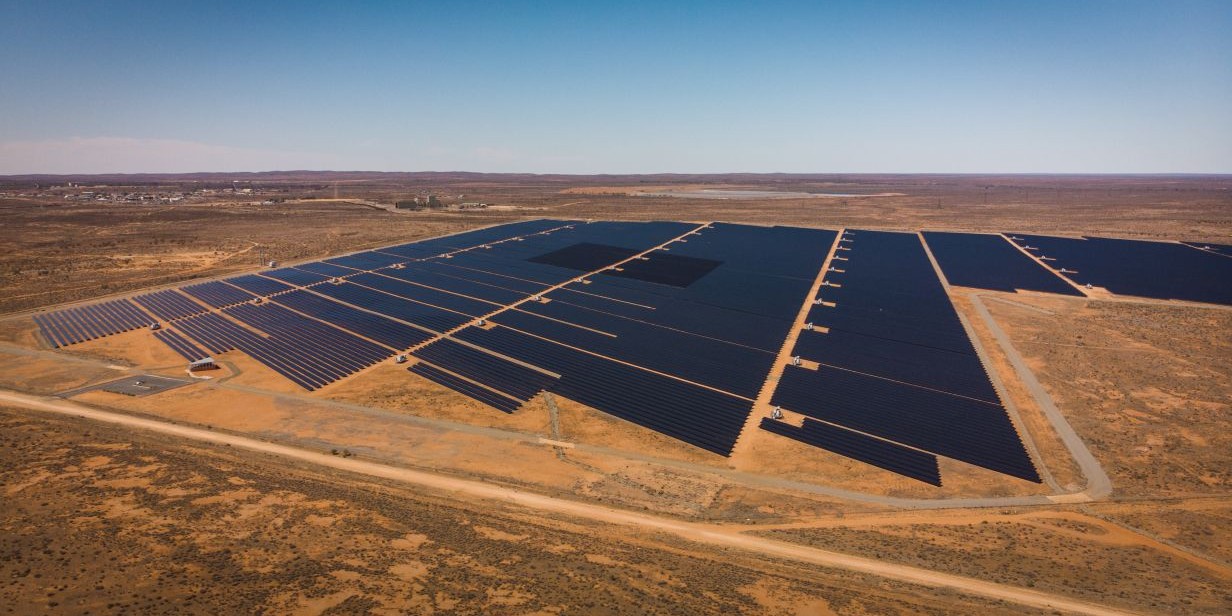
In September, PV Magazine hosted a webinar with FM exploring common misconceptions in renewable energy. View the webinar by clicking this link.
The volume and depth of audience questions during the webinar underscored how timely and complex this topic is. In this article, Mike Perron, renewable energy market lead and a panelist on the webinar, delves into some of the questions we received.
Can you discuss the impact of microcracking and other degradation of solar panels in the overall loss scenarios?
Microcracking has historically contributed to notable PV solar losses, particularly during the 2016 and 2018 events. However, advancements in panel design—such as the use of more busbars and improved cell architecture—have significantly reduced the impact of microcracking on overall performance. Research from external sources, supported by FM’s own testing, indicates that while microcracks may occur, they typically result in minimal power loss and only modest long-term degradation.
It’s important to note that microcracking can arise from various sources beyond extreme weather, including transportation, handling, and installation. Despite this, the most substantial losses in PV solar projects are generally caused by large hail events that fracture the glass layer of the panels. In such cases, while microcracking may also be present in adjacent panels, its contribution to total power loss is relatively minor.
FM’s coverage philosophy centers on restoring the client’s production capability to its pre-event level. In that context, microcracking represents a small component of the overall loss scenario and typically does not drive major recovery costs.
What is the best way for commercial PV engineering, procurement and construction firms (EPCs) to work with FM?
The best way for commercial PV EPCs to work with FM is by engaging early—ideally during the planning and design phase of a project. FM seeks to collaborate with clients and EPCs who are committed to building resilient, climate-adapted assets. Early involvement allows FM to provide input on design choices that can improve long-term durability, such as selecting weather-resistant equipment or optimizing site layout for hazard exposure.
Importantly, FM only provides coverage for the construction phase of a solar project when it is also engaged to insure the operational risk post-construction. This ensures continuity in risk management and alignment of resilience standards throughout the asset's lifecycle. EPCs working on projects where the client intends to maintain FM coverage after commissioning will find FM to be a proactive and supportive partner in building robust, insurable infrastructure.
Currently, due to the increased regional capacity, clients are requesting NATCAT coverage for full sum insured without any sublimit and they are getting this. How is FM perceiving this trend?
FM evaluates NATCAT exposure on a location-specific basis, considering the unique hazard profile of each site. While we've seen a trend of clients requesting full limits for NATCAT coverage without sublimits, FM continues to apply sublimits where warranted—particularly in regions with elevated risk. Offering full limits in high-exposure areas can compromise long-term insurability and pricing sustainability.
That said, when clients work with FM to design and build resilient projects—incorporating hazard-informed siting, robust equipment selection, and mitigation strategies—we’re more comfortable offering higher limits. In these cases, the reduced risk profile supports broader coverage.
Additionally, FM plays an active role in helping buyers, lenders, and tax equity partners understand the rationale behind coverage structures. We provide data-driven insights and engineering support to demonstrate how resilient design can justify lower limits than might otherwise be required, without compromising financial security or operational continuity.
Do thicker glass or early warning systems reduce insurance costs substantially or are reductions in insurance cost outweighed by higher OPEX or CAPEX?
Risk reduction measures like thicker glass and early warning systems are certainly viewed favorably during FM's underwriting process. While they may not lead to dramatic reductions in insurance premiums on their own, they can contribute to incremental improvements in rates, deductibles, and coverage terms, especially when part of a broader resilient design strategy.
FM assesses risk holistically, considering multiple factors including location-specific hazards, equipment durability, site access, and operational protocols. Thicker glass, for example, can reduce vulnerability to hail damage, and early warning systems can improve emergency response and reduce downtime. These measures help lower the overall risk profile, which can support more favorable insurance outcomes.
However, it's important to recognize that the financial benefits from insurance may not always fully offset the increased CAPEX or OPEX associated with these technologies. That said, when these measures are integrated into a well-designed, resilient project, FM is more comfortable offering broader coverage and higher limits. We also work closely with clients, lenders, and tax equity partners to help them understand how thoughtful risk mitigation can justify lower coverage requirements—ultimately supporting project bankability and long-term insurability.
The most dangerous fire scene is the container fire since the thermal runaway cannot be handled. So how does FM cover this kind of asset loss and how to calculate the insurance in which base?
Container fires—especially involving battery energy storage systems—are among the most severe loss scenarios due to the difficulty in controlling thermal runaway. FM provides coverage based on a detailed engineering assessment of the asset, including fire suppression systems, battery chemistry, spacing, and emergency response protocols. While coverage is available, terms and pricing are driven by the overall risk profile, and projects with robust fire mitigation strategies are more likely to receive broader coverage and more favorable rates.