
Simple solutions to prevent liquid damage


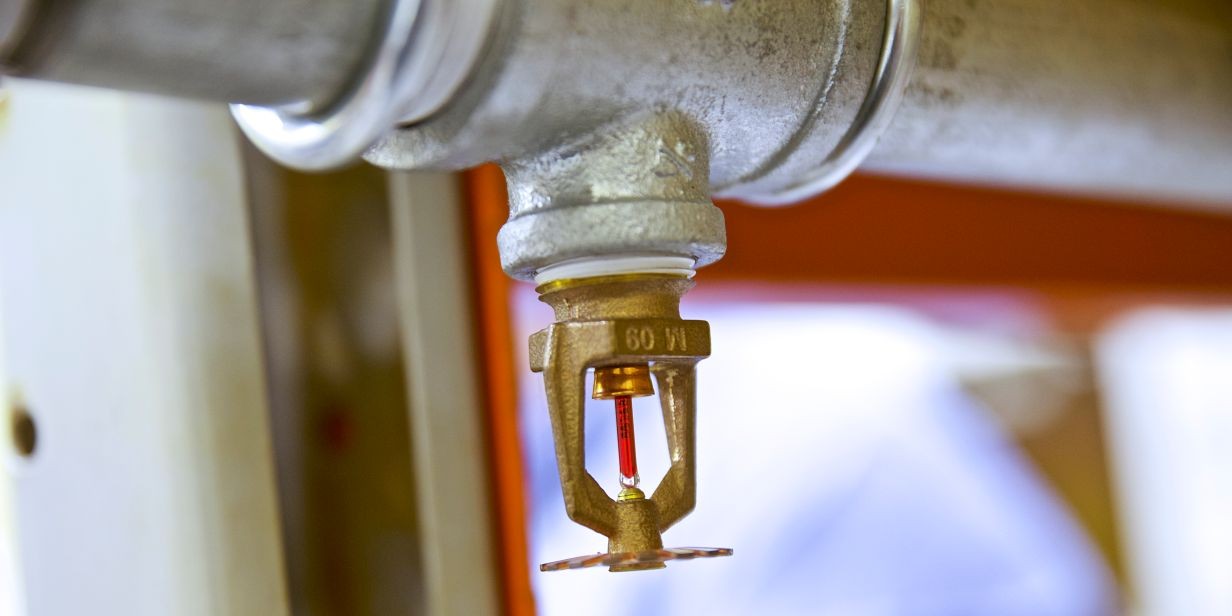
This is a time of increasing perils – natural catastrophes, fire and cyberattacks – but a frequent and often-overlooked "smaller" risk can cause significant damage and business interruption.
Liquid damage, or leaking pipes and equipment, is more than twice as likely to do damage to a business than fire, and more than 50% likelier to do damage than a natural hazard. For commercial buildings, fluid where it doesn't belong is the most frequent source of property damage.
Think networks and servers going down. Critical data destroyed. Elevators out of service. Transformers shorted out. Million-dollar critical hospital equipment lying idle for weeks. Hotels closed for months for refurbishment. Damage including drenched cultural treasures, finished interiors ruined, mold growth, employee and client displacement, business disruption, customers turned away, lost revenue and degradation of reputation.
Leaks can plague even the world's most cherished properties. A pipe failure last December in the Louvre Museum, which has stood proudly for centuries, damaged up to 400 archeological journals. A show in late 2023 was canceled after a water pipe in the walls burst.
Leak sources include domestic-water piping, sprinkler systems, air-conditioning piping, chilled water, and sewer or rainwater-drainage systems. The volume of liquid involved depends on the size of the pipe, pressure within it and the size and duration of the leak. Causes include installation or construction/renovation mistakes, improper materials, corrosion and freeze-ups – the latter which can occur in even warmer climates subjected to low temperature without adequate insulation or heat.
Early detection is critical
Liquid damage (most often from water) regularly crosses the multimillion-dollar mark when, say, the leak is hidden behind a wall or above a ceiling and goes unnoticed, or if a significant leak persists over even a short period of time without being addressed.
Heavier industries such as manufacturing or process-related facilities are generally proficient at catching even slow leaks quickly, since pipes are exposed and staff pass by them regularly. Lighter occupancies with liquid lines behind finished interiors – e.g., office buildings, condo apartments/condos, hospitals, hotels, retailers and universities – account for nearly nine out of 10 liquid damage claims in FM's experience. Our homes fall into this category as well. If your home has a basement, a regular walkthrough is a great way to catch issues early.
A small, undetected leak recently became a big problem when a bleeder nipple in a chilled-water pipe failed in a hospital's pediatric care unit, and the resulting leakage went undetected over a weekend. When hospital personnel attempted to stop the flow, the shutoff valve turned out to be corroded. Water flooded an adjoining room, causing US$2.5 million in damage, forcing servers to be shut down and rendering archived records inaccessible for two months.
Leaks in multistory buildings are especially problematic. Escaped liquid will find even the smallest openings – stairwells, cable passages or other vertical penetrations – to reach the floors below.
All of these scenarios are possible if small leaks aren't stopped fast. Hence, the best measure is to detect leaks early and know ahead of time how to reduce the damage by closing the necessary valves.
Fortunately, new technology can do the detection for people who are not (or can't be) eyeballing the pipes. A host of options are available that are relatively cost-effective and often non-invasive to install, especially on a new build or renovation. New smart sensors can tell that water is running when it shouldn't be, trigger alarms or even in some cases close a valve themselves. Temperature sensors can warn business owners that areas prone to freeze damage are getting too cold. Even continuous video monitoring of key areas is well worth the investment.
What you can do to protect your business
- Regularly check all spaces for signs of leaks.
- Open and close valves periodically to ensure their function.
- Provide catch pans for overhead pipes.
- Install leak-detection systems in catch pans, under piping and on floors adjacent to potential leak sources throughout the building. Remote areas or ones with large amounts of piping should be the priority. Wireless units make installation simple.
- Ensure detection systems, including smart sensors and video, talk to facilities managers'; smartphones.
- Reroute pipes that loom over critical equipment or move the equipment from under the pipes.
- For below-grade areas, use sump pumps (a primary and backup), and connect them to emergency power. Equip them with high-water alarms.
- Make an emergency plan. Then document and practice it.
- Brief office staff on common leak sources like sinks, bathrooms and water coolers. Train key people to find and close valves to prepare for emergencies.
- Identify valves that should rarely, if ever, be closed, such as those on pipes supplying boilers or specialized equipment.
- Ensure automatic sprinklers'; alarm systems are functional. The same system that uses alarms and smartphone notifications to signal sprinkler activation can catch any potential leak from sprinkler piping.
If the damage is done, wet areas need to be thoroughly dried, damaged materials must be removed, and the affected spaces should be completely refinished. Similar pipes, areas or situations should be assessed and upgraded or protected from the source of damage. For large or severely damaged areas, the work can take weeks or even months.
Insurance is important, too, especially to help recover from larger events. But many times, the damage is below the amount of the deductible, and the event is a mildly expensive annoyance. In all cases, preventing the loss is better. A few simple measures to prevent leaks before they happen and be ready to find them early and stop them quickly will improve your odds for a dry (and pleasantly uneventful) 2026.
This article originally appeared in Forbes.