
UK Resilience Index A Rise in Ranking but Risks Remain on the Horizon
In an increasingly volatile global business environment, FM recently published its annual FM Resilience Index - a comprehensive ranking of 130 countries and territories based on 18 physical and macro factors, including water stress, fire risk, energy intensity and climate risk.
The FM Resilience Index enables businesses and policymakers to navigate headwinds and minimise harmful disruptions which can cause significant operational and financial losses.
The 2026 FM Resilience Index saw the UK ranked the 14th most resilient country, one position higher than last year. However, the Index also revealed challenges and areas of vulnerability for the UK, particularly regarding inflation, climate exposure and climate risk awareness.
With greater awareness and proactive action, the UK has the potential to find competitive advantage and help build long-term economic stability.
UK’s Positive Resilience Trend Masks Structural Weaknesses
Some countries are already leading the charge on this front, with Denmark, for instance, taking the top spot in the FM Resilience Index for the third consecutive year. This aligns with a wider regional trend, as Europe claimed nine of the top 10 positions, with Singapore being the only outlier at No. 3.
So, where does the UK sit in this broader picture? The UK rose to No. 14 place in the rankings, placing it behind some of its European neighbours but still firmly within Europe's overall positive trend. This ranking is significant, as FM found that locations in the top 50 of the Index tend to recover from property losses more than 30% faster on average—a clear indicator of the practical benefits of high resilience.
For the UK specifically, that overall ranking reflects a market with many structural strengths: a mature financial system, strong institutional capability and a generally robust risk-management culture. But amid an overall rise, challenges still lie ahead with the UK exhibiting material vulnerabilities that could hamper long-term resilience.
Inflation and Climate Exposure Undermine the UK’s Resilience Gains
One pressing area of vulnerability is inflation, where the UK exhibited one of the most dramatic drops, falling from No. 50 to No. 70 in just one year. This rapid slip could signal issues with the country’s resilience, as businesses navigate persistent cost pressures, weakened investor confidence and potential disruptions to supply chains.
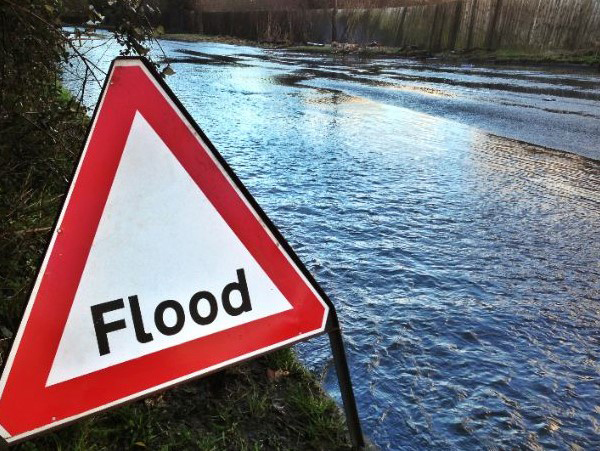
Another potential weak point is climate risk exposure, a category where the UK ranked No. 109, revealing that a substantial proportion of the UK's economic assets are physically vulnerable to climate hazards. In the UK, that exposure is shaped by several widely understood factors: Major economic hubs and transport corridors are concentrated in areas vulnerable to coastal surge, estuarine flooding and surface water flooding, including around the Thames Estuary, the Humber and other major port and industrial zones. Many urban areas also rely on older infrastructure and drainage systems that can struggle to cope with short-duration, high-intensity rainfall. At the same time, more volatile storm patterns are increasing pressure on buildings, utilities and supply chains.
While the UK exhibited a relatively high rank for climate risk quality (preparedness for risk), the concentration of economic activity and critical infrastructure in exposed areas carries inherent risk.
UK Executives Underestimate Climate Risk Compared to European Peers
A third area for concern is that the UK appears to be falling behind Europe in climate risk awareness, exhibiting the most significant climate risk awareness gap in the region. Compared to countries like France or Germany, UK executives underestimate the high levels of climate exposure their businesses face. When businesses overlook their exposure to extreme weather, they are less likely to prioritise the effective protections, invest in resilience upgrades or build credible continuity plans. FM has witnessed the economic impact of this on the ground, with exposure translating into downtime and business interruption. As climate change increases the frequency and severity of flooding and storms in the UK, unprepared businesses could become increasingly vulnerable.
Closing the Climate Awareness Gap Is Key to UK’s Long-Term Prosperity
When it comes to climate exposure, what businesses don’t see can hurt them, especially as climate and operational risks shift faster than expected. For the UK, despite an overall rise, this year’s FM Resilience Index has highlighted areas of concern that could pose potential risks to UK businesses and leave them lagging behind their European counterparts.
For UK businesses and policymakers, the message is clear: understanding and addressing risk exposure is an economic imperative. With the UK likely to face more severe storms and flooding in the years ahead, increasing climate awareness, embedding resilience into new investment from day one, and strengthening protection for exposed assets and infrastructure will be critical to sustaining long-term prosperity in the years ahead.
FM’s engineering insights, focus on risk mitigation and loss prevention, and claims expertise can help UK businesses to identify hidden vulnerabilities, prioritise practical resilience upgrades and build continuity plans that address both current and emerging climate risks.