Campus de investigación de FM

Inflamable, combustible, prevenible


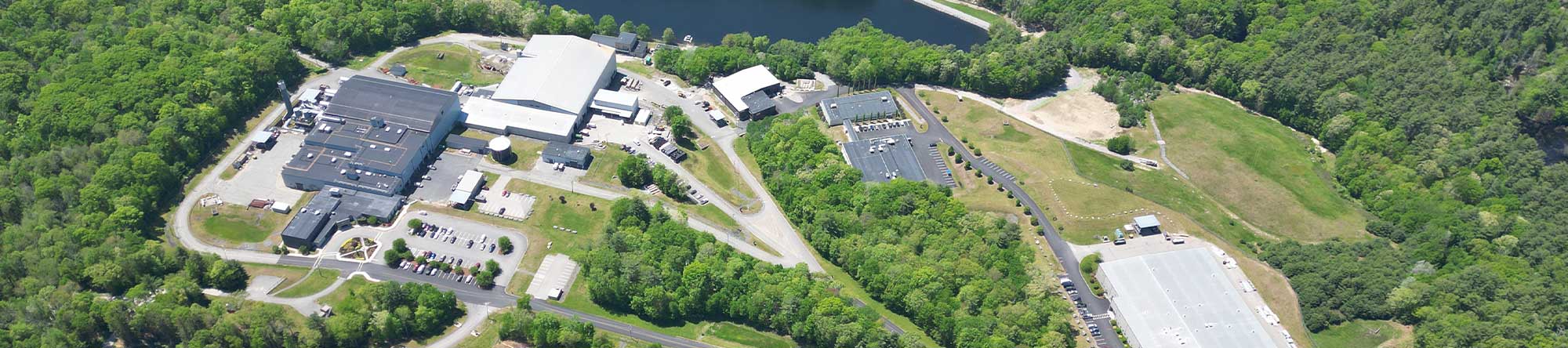
Los incendios, las explosiones, los vientos huracanados y las fuertes vibraciones sísmicas son habituales en un día de trabajo en el Campus de investigación de FM, el centro más prestigioso del mundo dedicado a evitar que los riesgos físicos se conviertan en catástrofes.

Gracias a las simulaciones que se llevan a cabo aquí, usted puede preparar y proteger sus instalaciones antes de que ocurra un siniestro.

Cada laboratorio de vanguardia se enfoca en un riesgo específico: tecnología contra incendios, riesgos naturales, riesgos eléctricos y pruebas hidráulicas. Los experimentos no solo ayudan a entender el riesgo, sino que le permiten visualizar el riesgo en un entorno seguro y controlado. Además, es el mejor lugar para que los fabricantes prueben productos para comprobar su seguridad y eficacia antes de lanzarlos al mercado.

A continuación, conozca más sobre la ciencia aplicada a la protección contra siniestros.

  • Dentro del Campus de investigación de FM

    Explore el Campus de investigación de FM, donde científicos e ingenieros recrean algunas de las fuerzas más destructivas del mundo para entender mejor los riesgos. Conozca cómo esta investigación hace posible diseñar soluciones prácticas antes de que estos fenómenos lleguen a impactar sitios reales y por qué es clave para construir resiliencia.
    Ver el video (en inglés)
  • Testing the leading cause of property loss

    Fire technology lab

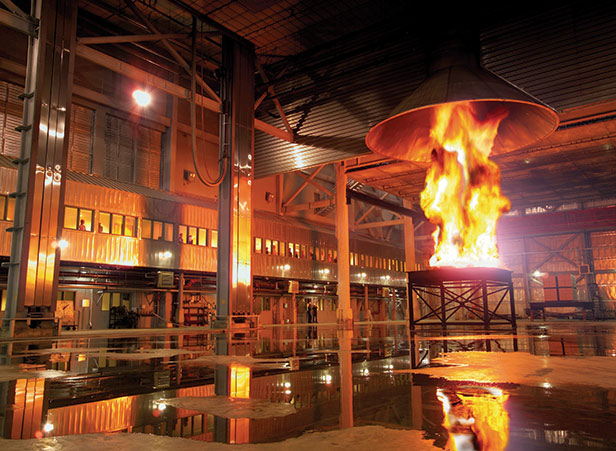
    Your company can’t replicate a warehouse-size fire on demand. You’ve got our Fire Technology Laboratory for that. The lab is the centerpiece of the Research Campus, and the largest facility of its kind. Its scale enables our researchers to understand what causes structural failure, how fast fire spreads, and what sprinkler protection is needed. Multiple tests can be conducted every day, so we don’t have to wait long for results. Small labs are used for smaller-scale burn testing. Water tank and pumps can replicate any facility conditions, and a closed-loop water system is used for continuous cleaning and recycling.
  • Resisting the effects of mother nature

    Natural hazards lab

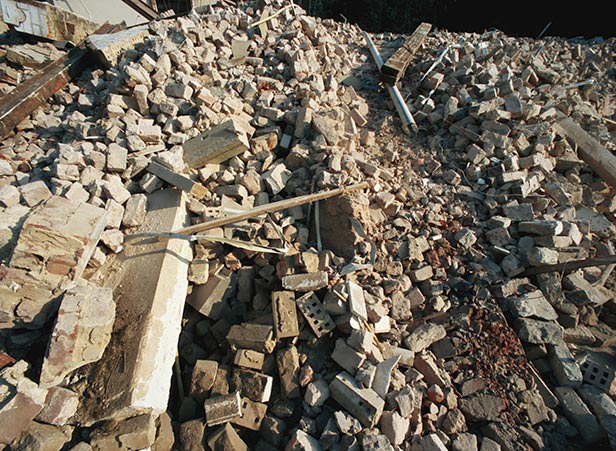
    Windstorm, flood and earthquake all pose a major threat to your property. Fight back by understanding what causes building material to fail, and the best ways to design buildings to resist the effects of Mother Nature. Our Natural Hazards Laboratory can simulate hurricane-force winds and hailstorms. A “debris cannon” can determine the impact resistance of your doors, windows and wall panels. An earthquake “shake table” replicates earthquakes of all intensities. We can even test the effects of the sun’s UV radiation on your building materials.
  • Keeping electrical ignition sources safe

    Electrical hazards lab

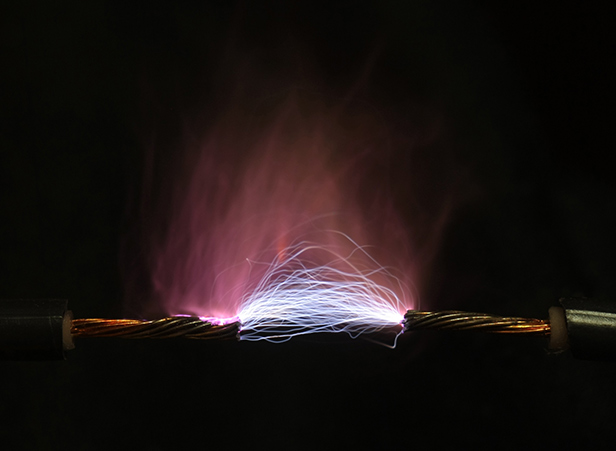
    If your facilities run on electricity, they’re already at risk. In fact, electrical ignition sources are one of the top three causes of fire and explosion in buildings containing flammable gas, liquid and combustible dust. In our Electrical Hazards Laboratory, we test equipment to ensure it won’t ignite dust or any type of gas during normal operation or under fault conditions. This helps you protect your properties from explosion or other catastrophic loss.
  • Testing fire protection systems

    Hydraulics lab

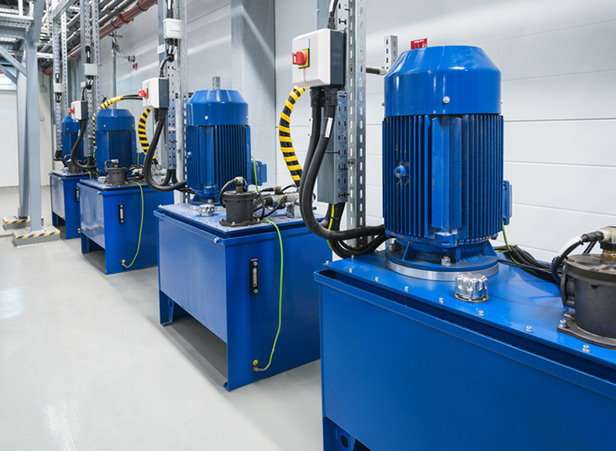
    With the right sprinkler protection, you can prevent devastating losses due to fire. Our Hydraulics Laboratory replicates your fire protection systems and conducts tests, so you can be sure your devices will work as intended when properly installed and maintained. The lab houses both wet- and dry-lab test areas, where engineers and technicians perform various hydraulic, mechanical and environmental tests on fire protection system components and related devices, such as sprinklers, couplings and valves.