
Las medidas de resiliencia climática que todo corredor quiere para sus asegurados.
Muchas empresas aún no han dado los pasos necesarios para mitigar sus riesgos ante posibles catástrofes naturales: aquí te contamos qué puedes hacer al respecto.


En los últimos años, los fenómenos meteorológicos extremos han aumentado su nivel de frecuencia y gravedad, provocando una media de daños económicos superiores a los 200 millones de EUR al día. Solo en los últimos tres años, el 62 % de las empresas ha sufrido interrupciones importantes en su actividad como consecuencia de fenómenos meteorológicos extremos.
A pesar del impacto que las catástrofes naturales están teniendo en las empresas a nivel global, nuestros datos indican que muchas organizaciones aún no han tomado las medidas necesarias que tienen a su alcance para mitigar estos riesgos y proteger sus operaciones.
Por lo general, los corredores tenéis un mayor nivel de concienciación de los cambios que se están produciendo en el panorama de riesgos actual, lo que abre una oportunidad clara para reforzar la relación con vuestros clientes y posicionaros como figuras estratégicas en mitigación de riesgos climáticos.
Hemos concebido este artículo a modo de guía, con el objetivo de señalar las fuentes de confusión más comunes entre los asegurados y de ayudarte a ofrecerles recomendaciones prácticas y realistas para proteger su actividad.
¿Qué es la «brecha de resiliencia climática»?

En FM llamamos «brecha de resiliencia» a la diferencia que hay entre la percepción que tienen los asegurados sobre los riesgos derivados de catástrofes naturales y el impacto real de dichos riesgos en sus operaciones a nivel internacional. Esta falta de concienciación puede explicar por qué muchos asegurados aún no han llegado a un consenso sobre la mejor forma de gestionar su creciente exposición a los riesgos climáticos.
Por ejemplo, en 2025 encuestamos a 800 responsables de riesgos en empresas industriales, manufactureras y tecnológicas, y descubrimos que 3 de cada 4 subestiman los riesgos que suponen la exposición al viento y a las inundaciones en los países donde operan.
Además, en la encuesta también se destaca que las medidas de prevención de riesgos que hay disponibles no se utilizan como es debido, y los 150 corredores encuestados coinciden en que estas podrían implementarse de forma rápida y económicamente eficiente, lo que mejoraría la resiliencia ante los riesgos climáticos. Entre dichas medidas, destacamos:
- Anclajes resistentes al viento
- Materiales de cubierta resistentes al granizo y revestimientos de protección
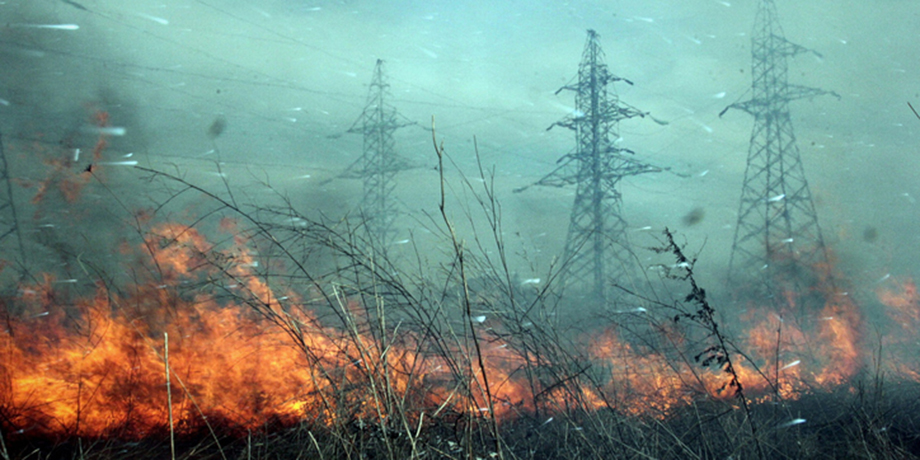
- Sistemas automatizados de detección y protección frente a incendios forestales
En la misma línea, la encuesta puso de relieve las diferencias en la forma en que las empresas responden a la evolución de los riesgos naturales dependiendo de la región geográfica.

Por ejemplo, muchas empresas españolas están desmantelando todos los edificios situados en zonas inundables; en Francia, muchas compañías han instalado sistemas de protección contra granizo, mientras que las empresas británicas lideran la implantación de sistemas de anclaje resistentes al viento. En Australia, una de cada tres empresas afirman que la falta de experiencia en ingeniería constituye uno de los principales obstáculos para mejorar su resiliencia ante fenómenos meteorológicos extremos.
Estas diferencias subrayan la importancia de establecer alianzas con expertos en prevención de siniestros capaces de combinar la acción de equipos locales y los datos obtenidos sobre el terreno con las últimas innovaciones técnicas en materia de mitigación de riegos.
Cómo potenciar la resiliencia de tus clientes
Estamos entrando en una nueva era de resiliencia climática: ya no basta con proteger las ubicaciones aisladamente, ahora, la resiliencia pasa por adoptar un enfoque basado en la ingeniería, capaz de anticipar y mitigar los riesgos que amenacen la continuidad de la actividad y las cadenas de suministro de la empresa.
Con más de 200 años de experiencia como aseguradora de daños materiales y presencia en EE. UU., Canadá, Europa y Australia, en FM podemos ofrecerte el servicio experto que necesitas para guiar a tus clientes hacia una mejor gestión de sus riesgos.
Ponemos a tu disposición una amplia gama de recursos que te permitirán aplicar los últimos avances científicos para mejorar la exposición al riesgo de tus clientes. Entre estos recursos, destacamos:
- Fichas técnicas: biblioteca completa de estándares de ingeniería diseñados para reducir riesgos y mitigar siniestros causados por fenómenos meteorológicos extremos, entre otros factores.
- Kit de herramientas para riesgos naturales: mapas interactivos y otros recursos para ayudar a las empresas a prepararse y responder de forma eficaz ante fenómenos meteorológicos extremos.
- Índice de resiliencia de FM: Una herramienta que clasifica a 130 países y territorios en función de su resiliencia ante situaciones disruptivas.
- Herramienta de Seguimiento de resiliencia climática de FM: Panel interactivo para visualizar los riesgos climáticos actuales y futuros que amenazan las distintas ubicaciones de los asegurados.

Además, colaboramos con los corredores para ofrecer soluciones técnicas colaborativas que se adapten a las necesidades de cada asegurado. Durante el diseño de proyectos de construcción, nuestros equipos de cuenta estarán disponibles para ofrecer asesoría y consejos de buenas prácticas. Para proyectos de mayores dimensiones, pueden contar con el servicio de revisión de planos de FM para asegurar que tus clientes diseñen sus planos teniendo en cuenta medidas de mitigación de riesgos.
Si crees que alguno de tus clientes podría aprovechar nuestra experiencia en resiliencia climática, estaremos encantados de atenderte. Envía una nueva propuesta de negocio aquí y nos pondremos en contacto contigo lo antes posible.
Este artículo forma parte de una serie publicada por FM para ayudar a los corredores a entender los servicios que podemos ofrecer a sus clientes en el mercado de los seguros de daños. No te pierdas la próxima publicación de esta serie, donde compartiremos más ideas clave y consejos prácticos.